


[:it]Cashless society[:en]Cashless society[:]
[:it]
Scenario generale
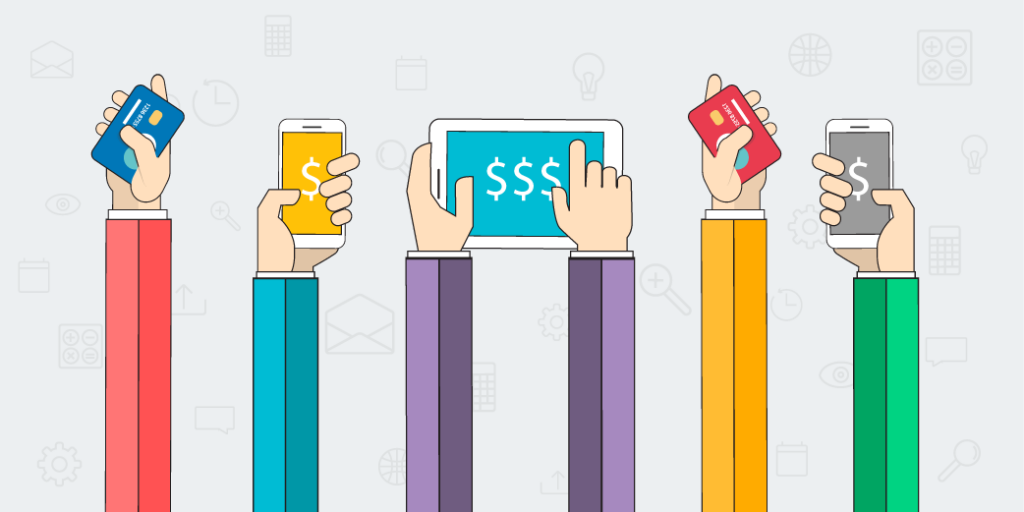
Con il termine cashless society si descrive un’economia in cui le transazioni finanziarie non vengono condotte tramite denaro in forma fisica (banconote) ma attraverso delle transazioni digitali. Gli strumenti di pagamento cashless hanno un ruolo sempre più centrale per il business e per la società poiché presentano numerosi benefici:
- sicurezza delle transazioni che si pone su standard elevati ed è in continuo miglioramento grazie agli investimenti effettuati dagli operatori del settore;
- riduzione dei costi per la gestione del contante;
- stimolo all’innovazione e alla digitalizzazione del sistema economico;
- tracciabilità delle operazioni che rappresenta un fattore determinante per contrastare il riciclaggio del denaro e l’evasione fiscale.
A guidare la classifica dei Paesi con più pagamenti digitali, ci sono i Paesi scandinavi con la Svezia in testa dove ormai da anni si attua una vera e propria guerra all’utilizzo dei contanti. La Svezia, infatti, punta a diventare un Paese completamente cashless entro il 2023. Già a partire dal 2007 il governo svedese ha predisposto una graduale diminuzione del contante con la disincentivazione all’uso di banconote di grosso taglio. Si sono resi pagabili mediante carte di credito servizi quali bar, edicole e bus, o disponibili app mobile per smartphone e si è consentito agli esercenti di rifiutare denaro contante.
Tutto questo se da un lato è molto rivolto al futuro, dall’altro può lasciare indietro alcune fasce della popolazione: in primo luogo le persone anziane, di solito non molto avvezze al digitale, possono non essere così educate alle app di pagamento; in secondo luogo i giovanissimi, che a meno di non avere una carta di credito, non possono usare il loro denaro.
…e in Italia?
Anche in Italia, seppur con un’energia minore rispetto a quella di altri Paesi, è in atto una trasformazione digitale del mondo dei pagamenti. Il merito è in gran parte di trend globali come ad esempio l’entrata nel settore dei colossi hi-tech (Google, Apple, Samsung, Alibaba, WeChat), l’avanzata delle Startup Fintech, la maggiore sensibilità delle banche in tema di innovazione. La declinazione di tutti questi elementi però non è sufficiente per poter parlare di cashless society anche in Italia.
Infatti, mentre nel resto d’Europa ormai si paga solo con la carta e nonostante i sopra elencati vantaggi, l’Italia resta ancora un’economia basata sul contante in cui otto italiani su dieci usano i contanti per i loro acquisti.
Il percorso verso la cashless society, che molti Paesi europei hanno già intrapreso da anni, per l’Italia appare ancora in salita.
Secondo il Cashless Society Index 2017, lo strumento di monitoraggio sviluppato da The European House – Ambrosetti, l’Italia è sestultima in Europa fra le società senza contanti mentre nella classifica sull’utilizzo delle carte di pagamento nei Paesi UE, è al 23esimo posto su 28 Paesi. Se mantenesse questa velocità, l’Italia riuscirebbe ad arrivare all’attuale media europea solo nel 2030.
Nonostante questo trend in Italia appena descritto, soluzioni come quelle delle Stored Value Card (SVC) possono essere un giusto compromesso per avvicinarci sempre più alla digitalizzazione dei pagamenti. Caratteristica fondamentale di questo particolare tipo di carte è la possibilità di legare ad esse dei servizi a valore aggiunto (cashback, couponing, instant win) che consentono di coinvolgere i clienti incentivando la loro frequenza d’acquisto e lo scontrino medio.
[:en]
General society
The term cashless society describes an economy in which financial transactions are not conducted in physical form (banknotes) but through digital transactions. Cashless payment instruments play an increasingly central role for business and society as they have numerous benefits:
- security of transactions which is based on high standards and is continuously improving thanks to investments made by sector operators;
- reduction of costs for cash management;
- stimulation of innovation and digitalisation of the economic system;
- traceability of operations that is a determining factor in combating money laundering and tax evasion.
Leading the ranking of countries with more digital payments, there are the Scandinavian countries with Sweden where for years now a real war on the use of cash has taken place. Sweden, in fact, is aiming to become a completely cashless country by 2023. Already from 2007 the Swedish government has prepared a gradual decrease in cash with the disincentive to the use of large denomination banknotes. Services such as bars, newsstands and buses, or mobile smartphone apps, have been made payable by credit cards and merchants are allowed to refuse cash.
All this if on the one hand is very much aimed at the future, on the other hand it can leave behind some sections of the population: firstly, older people, usually not very used to digital, may not be so oriented to payment apps; secondly, the young who, unless they have a credit card, can not use their money.
…and in Italy?
Even in Italy, although with less energy than in other countries, there is a digital transformation of the payment world. The merit is largely of global trends such as the entry into the field of hi-tech giants (Google, Apple, Samsung, Alibaba, WeChat), the advance of the Fintech Startups, the greater sensitivity of the banks in terms of innovation. However, the declination of all these elements is not sufficient to be able to talk about cashless society even in Italy.
Infact, while in the rest of Europe now you only pay with the card and despite the above listed advantages, Italy still remains a cash-based economy in which eight Italians out of ten use cash for their purchases.
The path towards the cashless society, which many European countries have already undertaken for years, for Italy still appears to be on the rise.
According to Cashless Society Index 2017, the monitoring tool developed by The European House – Ambrosetti, Italy is the sixth in Europe among cashless companies while in the ranking on the use of payment cards in EU countries, it is 23rd place on 28 countries. If it maintained this speed, Italy would manage to reach the current European average only in 2030.
Despite this trend in Italy just described, solutions like those of the Stored Value Cards (SVC) can be a fair compromise in order to bring increasingly to the digitization of payments. A fundamental characteristic of this particular type of card is the possibility of linking to them value-added services (cashback, couponing, instant win) that allow customers to be involved, encouraging their frequency of purchase and the average receipt.
[:]